Dog & Cat Wellness Exams in St. George, UT
We’re not open yet — Agave is expected to open in early 2027. Reach out now and we’ll get you on the new-patient list.
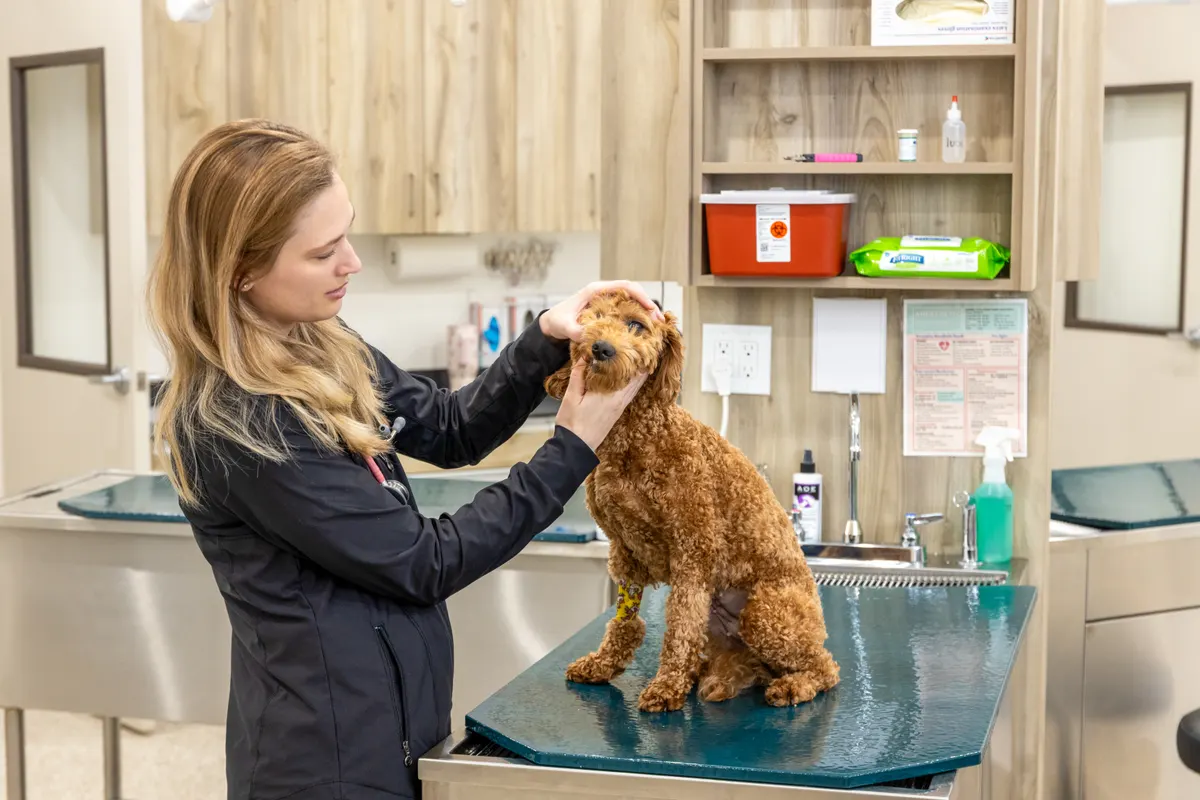
A wellness exam is the single most valuable visit your pet makes all year. Because dogs and cats age faster than we do and instinctively hide discomfort, a thorough checkup is often the first place a developing problem shows up. At Agave Animal Hospital in St. George, our veterinarians use these visits to build a complete picture of your pet’s health, answer your questions, and create a plan tailored to life in Southern Utah.
Why regular checkups matter
Dogs and cats are experts at looking fine. Dental disease, heart murmurs, thyroid changes, arthritis, and early kidney disease all tend to develop slowly and quietly — and by the time a pet acts sick, the problem has often been building for months. A regular exam gives your veterinarian a baseline: what your pet’s normal weight, gait, heart sounds, and lab values look like when they’re healthy. That baseline is what makes subtle changes visible later.
Early detection usually means more options and simpler treatment. A dental issue caught at the gum-redness stage is a very different conversation than one caught after teeth are loose, and a slow weight trend in a cat can prompt a simple blood test before anything becomes serious.
What happens during a wellness exam
Every visit centers on a hands-on, nose-to-tail physical. We weigh and observe your pet, then check the major body systems one by one, looking for changes you might not notice at home.
What’s included:
- A head-to-tail physical: eyes, ears, mouth and teeth, skin and coat, heart and lungs, abdomen, joints, and lymph nodes
- A weight and body-condition check, plus nutrition and dental guidance
- A review of behavior, appetite, energy, thirst, and bathroom habits
- A look at lifestyle risks specific to our area, such as foxtails and cheatgrass awns, heat exposure, and time spent on red-rock trails
- A personalized plan for vaccines, parasite prevention, and any follow-up care your pet may need
Depending on your pet’s age and findings, the visit may also include recommendations for bloodwork through our in-house diagnostic laboratory or other screening. We talk through every suggestion in plain English so you always know the why behind it.
How often your pet needs one
The right schedule depends on your pet’s life stage:
- Puppies and kittens visit several times in their first months, since exams pair naturally with the vaccination series and let us track growth closely. Our first-year checklist walks through what those early months look like.
- Healthy adult dogs and cats should be examined at least once a year. Because pets age faster than we do, a single year is a big stretch of their life to go unchecked.
- Senior pets — roughly age seven and up for most dogs, a little later for cats — benefit from an exam every six months, because health can shift quickly at this stage and small changes matter more.
Catching a concern early often means simpler care and a better outcome for your pet.
Signs it’s worth coming in sooner
You don’t have to wait for the calendar. It’s worth scheduling a visit if you notice:
- Drinking or urinating more than usual
- Weight loss or gain you can’t explain
- Bad breath, drooling, or reluctance to chew — often the first hints of dental disease
- Stiffness after walks or hesitation on stairs
- A new lump or bump, or one that’s changing
- Hiding, irritability, or litter box changes in cats
If something feels genuinely wrong between checkups, our urgent care appointments offer same-day help during regular hours.
The exam that anchors everything else
Think of the wellness visit as home plate for your pet’s whole care plan. It’s where we time vaccinations to your pet’s actual lifestyle, set up year-round parasite prevention — our mild Southern Utah winters mean parasites never take much of a break — and check that an existing microchip still scans correctly. If the exam turns up anything that needs a closer look, we can move straight to digital X-rays or ultrasound in the same building, often the same day.
Care built around Southern Utah
Active, outdoorsy pets here face desert-specific challenges. Summer heat is the big one — pavement that can burn paws and hikes that turn risky by mid-morning, which we cover in our summer safety guide. Grass awns from cheatgrass and foxtails work their way into paws, ears, and noses through late spring and summer. And if your dog joins you on trails near Snow Canyon or along the Virgin River, the exam is a natural time to talk through rattlesnake awareness for the warm months. We factor your pet’s real lifestyle into every recommendation we make.
Ready to get your dog or cat established with a trusted local team? Request an appointment through our contact page, and see our new patients page for what to expect at your first visit.
Frequently asked questions
How long does a wellness exam take?
Most wellness visits take about 30 minutes, though first appointments and senior or puppy exams may run a little longer so we can review history, answer your questions, and discuss a long-term care plan without rushing.
What should I bring to my pet's wellness exam?
Please bring any previous medical records, your pet's vaccination history, and a list of current medications or supplements. A fresh stool sample is also helpful so we can screen for intestinal parasites. Dogs should arrive on a leash and cats in a secure carrier.
My pet seems healthy — do they still need a wellness exam?
Yes. Dogs and cats are skilled at masking illness, and many conditions cause no obvious signs early on. A routine wellness exam lets our veterinarians detect subtle changes before they become serious, which is why regular checkups matter even for pets that look and act perfectly fine.
What's the difference between a wellness exam and a sick visit?
A wellness exam is a scheduled checkup for a pet who seems healthy — the goal is prevention, screening, and building a baseline over time. A sick visit focuses on a specific problem, like limping or vomiting, and centers on diagnosing and treating that issue. The two work together: a solid wellness history makes sick visits faster and more accurate, because your veterinarian already knows what normal looks like for your pet.
Do indoor cats really need wellness exams?
Yes. Indoor cats avoid some outdoor hazards, but they are just as prone to dental disease, obesity, kidney disease, and thyroid problems — conditions that develop quietly whether a cat goes outside or not. Cats are also especially skilled at hiding illness. Since many indoor cats only see a veterinarian when something is visibly wrong, a yearly exam is often the only chance to catch these issues early.
Will my pet get vaccines at a wellness exam?
Often, yes. Wellness visits are the natural time to review which vaccines your pet is due for and give any boosters that make sense, so most pets leave up to date without needing a separate appointment. We tailor the schedule to your pet's age, health, and lifestyle — a dog who hikes desert trails with you may need different protection than a homebody cat.
Do you help with pet nutrition and weight management?
Yes — nutrition guidance is part of every wellness exam. We assess your pet's weight and body condition, then talk through diet, portions, and life-stage needs to build a realistic plan for your dog or cat — whether you're in St. George, Washington, or anywhere else in Washington County.