Pet Dental Cleaning in St. George, Utah
We’re not open yet — Agave is expected to open in early 2027. Reach out now and we’ll get you on the new-patient list.
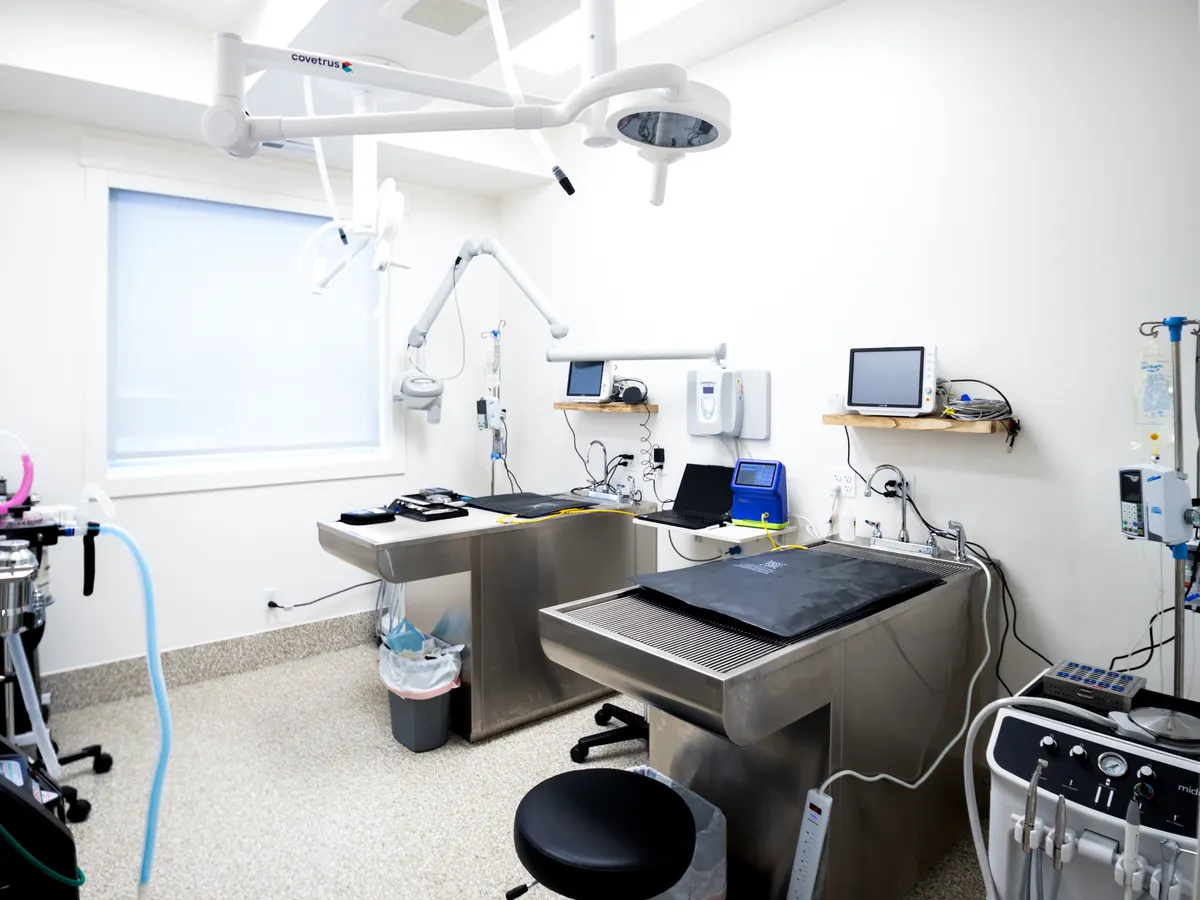
Most dogs and cats show signs of dental disease by age three, and the early stages are easy to miss. Bad breath, yellow-brown buildup, or a pet that suddenly prefers softer food can all point to trouble brewing under the gumline. A professional dental cleaning at Agave Animal Hospital removes the plaque and tartar a toothbrush can’t reach, helping your pet feel better and protecting the heart, liver, and kidneys that oral bacteria can affect over time.
Why dental health matters for the whole body
Plaque starts forming on a clean tooth within hours, and within days it hardens into tartar that no toothbrush can remove. Left alone, bacteria work their way beneath the gums — first causing gingivitis, then periodontal disease, an infection that slowly erodes the gum tissue and bone anchoring each tooth. The result is chronic discomfort your pet will rarely show you, loose teeth, and a steady trickle of bacteria into the bloodstream.
Because most dogs and cats keep eating even with a genuinely sore mouth, dental disease tends to advance quietly. That’s one reason we look inside the mouth at every wellness exam — not just when something seems wrong.
Signs your pet may be overdue
You know your pet’s habits better than anyone. Watch for:
- Bad breath that doesn’t go away — persistent odor usually means infection, not just “dog breath”
- Yellow or brown crust along the gumline, especially on the upper back teeth
- Red, swollen, or bleeding gums
- Dropping food, chewing on one side, or a new preference for soft food
- Pawing at the mouth or rubbing the face
- Drooling more than usual
- Loose, broken, or discolored teeth
- In cats, an unkempt coat — a sore mouth can make keeping tidy uncomfortable
Some pets show none of these signs until disease is advanced, which is why a cleaning is often recommended during a routine exam before anything looks wrong at home.
What a professional cleaning involves
A pet dental cleaning is more than a quick scrape of the visible teeth. Performed under general anesthesia so we can work gently and thoroughly, a typical cleaning includes:
- A pre-anesthetic exam and bloodwork to confirm your pet is a good candidate
- Scaling to remove tartar from every tooth surface, including below the gumline where disease starts
- Polishing to smooth the enamel and slow new plaque from sticking
- A tooth-by-tooth oral exam, probing each gum pocket for hidden problems
- Dental charting so we can track changes visit to visit
Cleanings may also include dental X-rays to evaluate the roots and jawbone that sit below the gumline — often where the most significant problems hide. If we find a diseased or painful tooth, we’ll talk with you about next steps before doing any work beyond the cleaning itself.
Why anesthesia matters
Anesthesia-free cleanings only address the surface and can leave painful disease undetected. General anesthesia lets us clean below the gumline, take X-rays, and keep your pet calm and comfortable — all while a dedicated team member monitors their vitals from start to finish.
We take anesthesia seriously. Every dental patient gets a pre-anesthetic exam, recommended bloodwork to check organ function, and an anesthetic plan tailored to their age, breed, and health history. No anesthetic is entirely without risk, but modern monitoring and individualized protocols reduce that risk considerably — and for most pets, the risk of living with untreated dental disease is far greater.
What cleaning day looks like
We’ll give you simple fasting instructions ahead of time, and your pet will spend part of the day with us. After the cleaning, they wake up in a quiet recovery area with a team member keeping watch, and pets go home the same day — usually a little sleepy that evening and back to their normal selves by the next morning. You’ll leave with a clear report of what we found, your pet’s dental chart, and plain-English aftercare instructions.
If we find more than tartar
Sometimes a cleaning uncovers something bigger: a cracked tooth, a deep gum pocket, or an abscess at the root. When that happens, we’ll contact you before going beyond the cleaning so you can make an informed decision. Extractions and other oral procedures are handled through our dental surgery service — whenever possible during the same anesthetic period, so your pet avoids a second round of anesthesia. Pets adapt remarkably well once a painful tooth is gone; most eat comfortably again within days.
Caring for desert dogs and cats
Southern Utah pets stay active year-round on the trails and red rock, and enthusiastic chewers can chip a tooth on a rock or an over-hard chew just as easily out there as at home. We’ll send you home with practical at-home care tips — brushing, dental chews, and what to watch for between visits — tailored to your pet’s mouth. For a step-by-step look at home dental care, see our pet dental health guide.
To request a dental cleaning for your dog or cat, reach out through our contact page and our St. George team will help you schedule. New to Agave? Our new patient page covers everything you need for a first visit.
Frequently asked questions
Does my pet really need anesthesia for a dental cleaning?
Yes, for a complete and safe cleaning. General anesthesia lets us clean below the gumline where dental disease begins, take X-rays, and examine each tooth without causing stress or pain. We perform a pre-anesthetic exam and recommend bloodwork beforehand to confirm your pet is a good candidate, and a team member monitors their vital signs throughout the procedure.
How often should my dog or cat have a dental cleaning?
It varies by pet. Many dogs and cats benefit from a professional cleaning about once a year, while some need them more or less often depending on breed, age, and how much home care they get. We'll assess your pet's mouth at each wellness exam and recommend a schedule that fits their needs.
What are the signs my pet needs a dental cleaning?
Common signs include bad breath, yellow or brown buildup on the teeth, red or swollen gums, drooling, pawing at the mouth, or reluctance to eat hard food. Some pets hide dental pain well, so a cleaning may be recommended during a routine exam even before you notice symptoms at home.
Is my senior dog or cat too old for a dental cleaning?
Age by itself rarely rules out a dental cleaning — and older pets are often the ones living with the most dental pain. Before any procedure we perform a physical exam and recommend bloodwork to check organ function, then tailor the anesthetic plan to your pet's age and health. Modern monitoring and individualized protocols reduce risk, and for many seniors, treating a sore mouth brings a noticeable boost in comfort and appetite.
How long does a pet dental cleaning take?
The cleaning itself usually takes under an hour, though X-rays or treatment of a problem tooth can extend that. Plan for your pet to spend a good portion of the day with us so there's time for a calm pre-anesthetic check, the procedure, and a smooth, monitored recovery. Pets go home the same day, and we'll walk you through aftercare when you pick them up.
Can brushing at home replace a professional dental cleaning?
Home brushing is the most valuable thing you can do between visits, but it can't take the place of a professional cleaning. Once plaque hardens into tartar, it bonds to the tooth and must be removed with dental instruments — and the disease that matters most develops below the gumline, where a brush can't reach. Think of it like your own routine: daily brushing at home, plus periodic professional cleanings.