Pet Dental X-rays (Dental Radiographs) in St. George, UT
We’re not open yet — Agave is expected to open in early 2027. Reach out now and we’ll get you on the new-patient list.
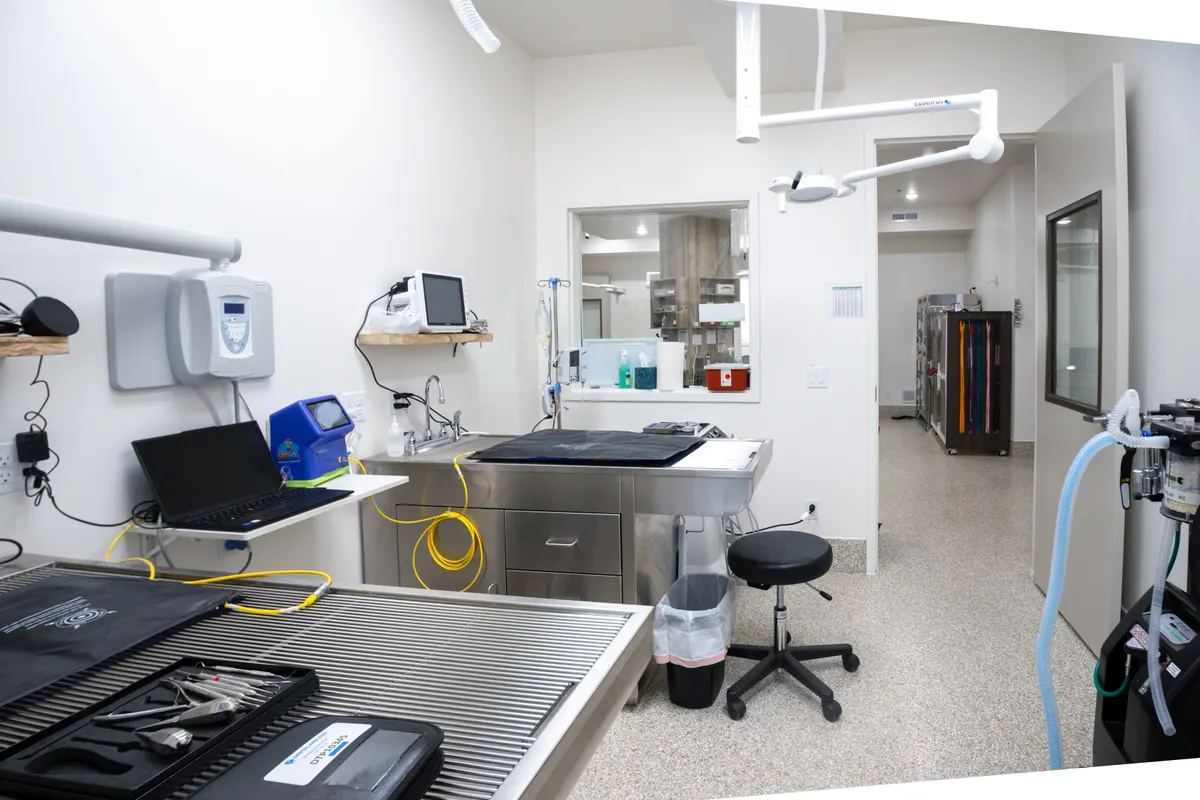
As much as two-thirds of a tooth can sit below the gumline, where the eye cannot reach. Dental X-rays (also called dental radiographs) let our St. George veterinarians see those hidden roots, the surrounding jawbone, and the spaces between teeth, so painful problems can be found and treated before they become serious. They are one of the most valuable tools in modern pet dentistry — and one of the biggest differences between a quick cosmetic polish and a dental visit that actually protects your pet’s health.
Why dental X-rays matter
Dogs and cats are experts at hiding mouth pain, often eating normally even with significant disease. A surface exam can look healthy while trouble brews underneath. Imaging the whole tooth changes that, and it is especially useful for cats, who are prone to painful resorptive lesions that frequently start out of sight.
Skipping X-rays means important findings can be missed even during an otherwise careful cleaning: a tooth that looks solid above the gumline may have an infected or dissolving root below it. That is why we treat dental radiographs as a standard part of anesthetized dental care, not an optional add-on.
What dental X-rays can reveal
- Tooth-root infections, abscesses, and bone loss from periodontal disease
- Feline tooth resorption and fractured or cracked teeth below the gumline
- Retained baby-tooth roots, unerupted teeth, and cysts
- Whether a questionable tooth can be saved or should be extracted
Signs your pet may need dental imaging
You do not have to wait for a scheduled cleaning to raise a concern. Mention it at your pet’s next wellness exam — or request a visit sooner — if you notice:
- Bad breath that keeps coming back, or drooling more than usual
- Chewing on one side, dropping food, or a new preference for soft food
- Pawing at the mouth, facial swelling, or flinching when touched near the muzzle
- A chipped, discolored, or visibly worn tooth
- Red, bleeding, or receding gums
Some of the most serious dental problems produce none of these signs at all, which is exactly why imaging below the gumline matters.
What to expect
Dental radiographs are taken while your pet is under anesthesia for a cleaning or oral procedure, so images can be captured comfortably and held perfectly still. Depending on findings, your visit may include full-mouth imaging, targeted views of specific teeth, and a review of the images with you afterward. X-rays pair naturally with a professional dental cleaning, and they guide any extractions or oral surgery that turn out to be needed.
Because the images are digital, they appear within seconds while your pet is still comfortably anesthetized. That timing matters: if a hidden problem shows up, the veterinarian can often address it during the same procedure rather than scheduling a second anesthetic event later. Anesthesia is never taken lightly — every patient gets a pre-anesthetic evaluation, and modern monitoring with individualized protocols is used to reduce risk throughout the procedure. Pre-anesthetic bloodwork through our in-house diagnostic laboratory helps us tailor that plan to your pet.
How we approach dental X-rays at Agave
Our dental suite is designed around imaging from day one, with a dedicated dental X-ray unit and an intraoral sensor sized for pets — a different tool from the full-body digital radiology we use for chests, bellies, and bones. Whole-mouth images give the veterinarian a complete map before any decisions are made, and we go over the pictures with you in plain English afterward, pointing out exactly what we found and why we recommend what we recommend. No pressure, no upselling — just a clear look at what is really going on in your pet’s mouth.
A note for St. George pets
Because St. George pets live such active, outdoor lives, chewing on sticks, rocks, and hard chews after a morning on the trails can quietly fracture teeth. A slab fracture can look like a minor chip on the surface while the pulp inside is exposed or dying. X-rays help us catch that kind of damage early, when more options are still on the table. For more on spotting dental trouble at home, see our pet dental health guide. We will always explain what the images show and recommend only the care your pet truly needs.
To get your dog or cat scheduled, please request an appointment through our contact page.
Frequently asked questions
Why does my pet need dental X-rays if their teeth look fine?
Most of each tooth, including the roots, sits below the gumline where it cannot be seen during a visual exam. Dental X-rays reveal hidden infections, bone loss, fractured roots, and resorptive lesions that often cause pain long before there are any outward signs. They help us find and treat problems early, which is gentler on your pet and usually less costly.
Are dental X-rays safe for dogs and cats?
Yes. Dental radiography uses a very low dose of radiation, and your pet wears no awareness of the process because the images are taken while they are safely under anesthesia for their cleaning or procedure. Anesthesia lets us position the sensor precisely and capture clear, diagnostic images without any stress or movement.
Will my pet need to be sedated for dental X-rays?
In nearly all cases, yes. Dental X-rays require a pet to hold completely still with a small sensor placed inside the mouth, which is not possible while awake. We take the images during the same anesthetized visit as the dental cleaning, so it is one comfortable, efficient appointment rather than several.
How often should my dog or cat get dental X-rays?
Most pets benefit from full-mouth dental X-rays at every anesthetized dental cleaning, which for many dogs and cats means roughly once a year. Comparing new images against previous ones lets us track slow-moving problems like bone loss or feline tooth resorption over time. Pets with a history of dental disease, small breeds prone to crowded teeth, and enthusiastic chewers may need imaging more often — we will tailor the schedule to your pet.
What is the difference between dental X-rays and regular pet X-rays?
Regular veterinary X-rays image large areas like the chest, abdomen, or limbs. Dental X-rays use a much smaller sensor placed inside the mouth to capture fine detail of individual tooth roots and the surrounding jawbone — detail a standard full-body X-ray cannot show. Each tool has its job: dental radiographs for the mouth, digital radiology for everything else, and at Agave we plan to offer both.
Can dental X-rays show if my pet's tooth can be saved?
Often, yes. X-rays show the health of the root, the bone anchoring it, and any infection around it, which is exactly the information needed to decide between saving a tooth and extracting it. A tooth that looks damaged above the gumline sometimes has a perfectly healthy root, while a normal-looking tooth may be beyond saving underneath. Imaging takes the guesswork out of that decision.