Pet Ultrasound in St. George, UT
We’re not open yet — Agave is expected to open in early 2027. Reach out now and we’ll get you on the new-patient list.
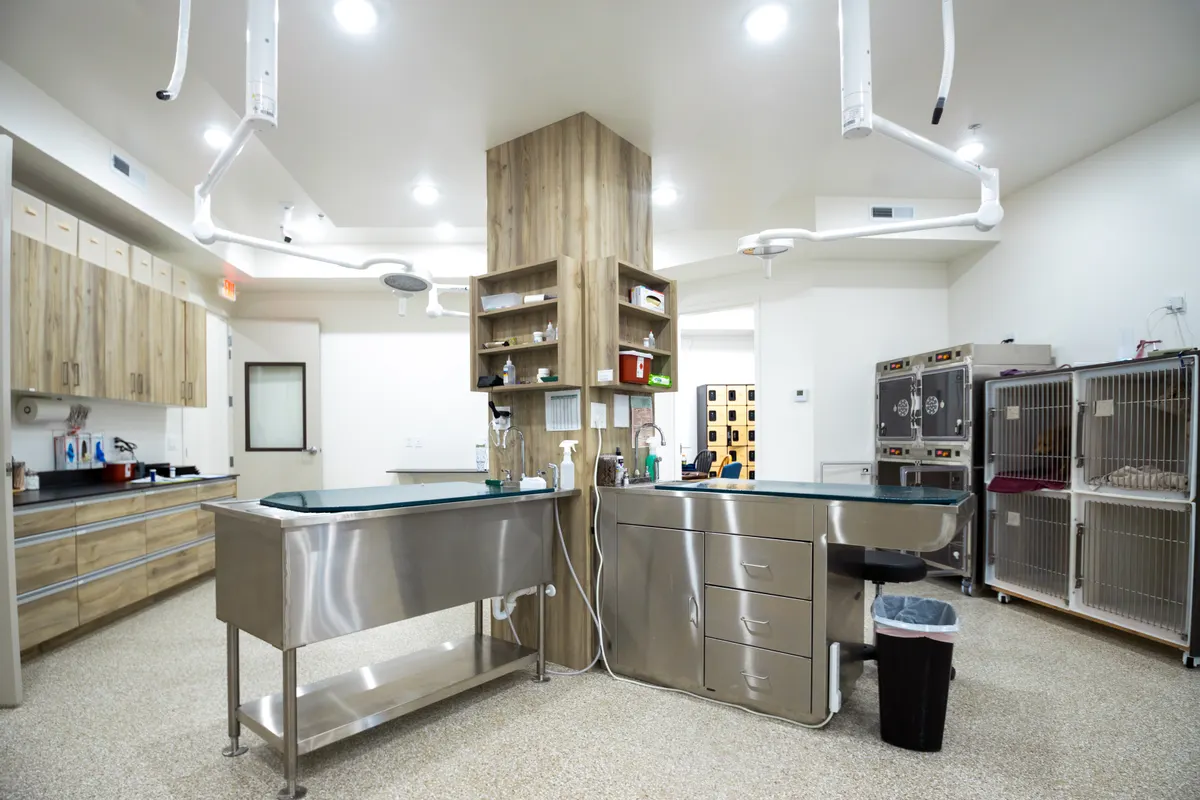
When your pet isn’t feeling well and a physical exam or bloodwork raises questions, ultrasound helps us see what’s happening inside. Using high-frequency sound waves, this painless imaging tool produces live, moving pictures of your pet’s organs, so our St. George veterinarians can investigate soft-tissue concerns without surgery or guesswork — and often within the same visit that raised the question.
A clearer look, in real time
X-rays are excellent for bone and overall structure, but ultrasound shines at showing soft tissue and movement. It lets us study the texture, size, and inner detail of abdominal organs, watch blood flow, and even see a heart beat in motion. The two work hand in hand, which is why we often pair ultrasound with our digital X-ray and in-house laboratory to build a complete picture.
That pairing matters in practice. An X-ray might show that the liver looks enlarged; ultrasound can show why — whether the tissue looks uniform or mottled, whether a mass is solid or fluid-filled, whether bile is flowing the way it should. Bloodwork tells us an organ’s function is off; ultrasound lets us look directly at the organ itself. Each test answers a question the others can’t.
When ultrasound helps
Our veterinarians may recommend an ultrasound to:
- Investigate vomiting, diarrhea, weight loss, or a loss of appetite
- Take a closer look at the liver, kidneys, bladder, spleen, intestines, or adrenal glands
- Follow up on abnormal lab results or an unexplained mass
- Check the bladder and urinary tract when a pet is straining, urinating frequently, or passing blood — a common workup for suspected bladder stones or infections
- Confirm and monitor a pregnancy
- Screen senior dogs and cats as part of a thorough workup
Ultrasound is also one of the most useful tools we have during a same-day urgent care visit. When a dog arrives with a painful, swollen belly or a cat suddenly stops eating, a quick scan can help us tell a serious internal problem from something more manageable — and that changes what happens next.
What to expect at the visit
An ultrasound appointment is quieter than most people expect. Here’s how a typical scan goes:
- We start with a physical exam and review the history and any lab results that prompted the scan
- Fur is clipped over the area we need to image so the probe can make clean contact with the skin — a small patch for a focused scan, or a larger area of the belly for a full abdominal study
- Your pet lies on a padded table, usually cradled gently on their back or side, while a warmed gel is applied
- The veterinarian glides the probe slowly across the area, pausing to measure and capture images — most pets relax once they realize nothing hurts
- Afterward, we walk you through what we saw in plain English and lay out the recommended next steps
A focused scan of one organ may take only a few minutes; a full abdominal study is more thorough and can take half an hour or more. For abdominal scans we’ll usually ask you to withhold food beforehand, since a full stomach and gas can hide the view — we’ll give you exact instructions when you schedule.
What’s included
- A non-invasive, radiation-free exam that’s gentle on your pet
- Real-time imaging of abdominal organs and soft-tissue structures
- A clear explanation of findings and recommended next steps
- Coordination with X-ray and lab work for a fuller diagnosis
- A focused scan of a single organ or a complete abdominal study, depending on the question we’re answering
Comfortable and low-stress
Most scans simply require a quiet area and some clipped fur over the scan site. Many pets rest calmly throughout, and depending on temperament and the area we’re imaging, a light sedative may be recommended to keep your companion relaxed and the images crisp. Our goal is always a calm, fear-aware visit.
How ultrasound fits into your pet’s care
Ultrasound rarely stands alone. If a scan reveals a mass, it helps us plan whether surgical removal makes sense and what the procedure would involve. If we find bladder stones, it guides the conversation about diet, medication, or surgery. And for senior pets, periodic imaging alongside wellness exams and lab screening helps us track slow changes in organs before they become a crisis. Finding a problem while it’s still small is the whole point.
Southern Utah pets earn their workups honestly — desert heat, swallowed surprises from the trail, and grass awns that migrate where they shouldn’t all come with the territory here. Wherever the question comes from, ultrasound helps us answer it gently.
Living an active Southern Utah life means dogs and cats face their share of bumps, bugs, and surprises. If your pet’s symptoms have you worried, please request an appointment through our contact page and we’ll help you find answers.
Frequently asked questions
Is a pet ultrasound painful or risky?
No. Ultrasound is non-invasive and uses sound waves rather than radiation, so there is no known risk to your dog or cat. Most pets find the exam comfortable, and many rest calmly throughout while we glide the probe over a small clipped area.
How should I prepare my pet for an abdominal ultrasound?
For abdominal scans we often ask that you withhold food for several hours beforehand, since a full stomach or gas can obscure the view, while still allowing water. We will give you specific instructions when you schedule, and a small patch of fur is usually clipped over the scan area so the probe makes clear contact.
What is the difference between an X-ray and an ultrasound?
X-rays capture a still image and are ideal for bones and overall structure, while ultrasound shows soft tissue and movement in real time, such as the internal detail of organs or blood flow. The two are complementary, and we frequently use them together to reach a clearer diagnosis.
How long does a pet ultrasound take?
It depends on the question we're trying to answer. A focused scan of a single organ, such as the bladder, may take just a few minutes, while a complete abdominal ultrasound is more methodical and often takes 30 to 60 minutes. Including the exam, any preparation, and time to discuss findings with you, plan on the visit lasting about an hour.
Will my pet need sedation for an ultrasound?
Usually not. Most dogs and cats lie comfortably on a padded table for the scan, especially in a quiet, low-stress room. If a pet is anxious, painful, or wiggly enough that we can't get crisp images, we may recommend a light sedative — it keeps your companion relaxed and helps us capture the clearest possible view. We'll always discuss that option with you first.
Can an ultrasound detect cancer in dogs and cats?
Ultrasound can reveal masses and abnormal-looking tissue in organs like the spleen, liver, or intestines, and it often shows whether a growth is solid or fluid-filled. What it can't do alone is tell us whether a mass is cancerous — that typically requires sampling the tissue. If we find something concerning, we'll explain exactly what we saw and guide you through the next steps.