Spay & Neuter Surgery in St. George, UT
We’re not open yet — Agave is expected to open in early 2027. Reach out now and we’ll get you on the new-patient list.
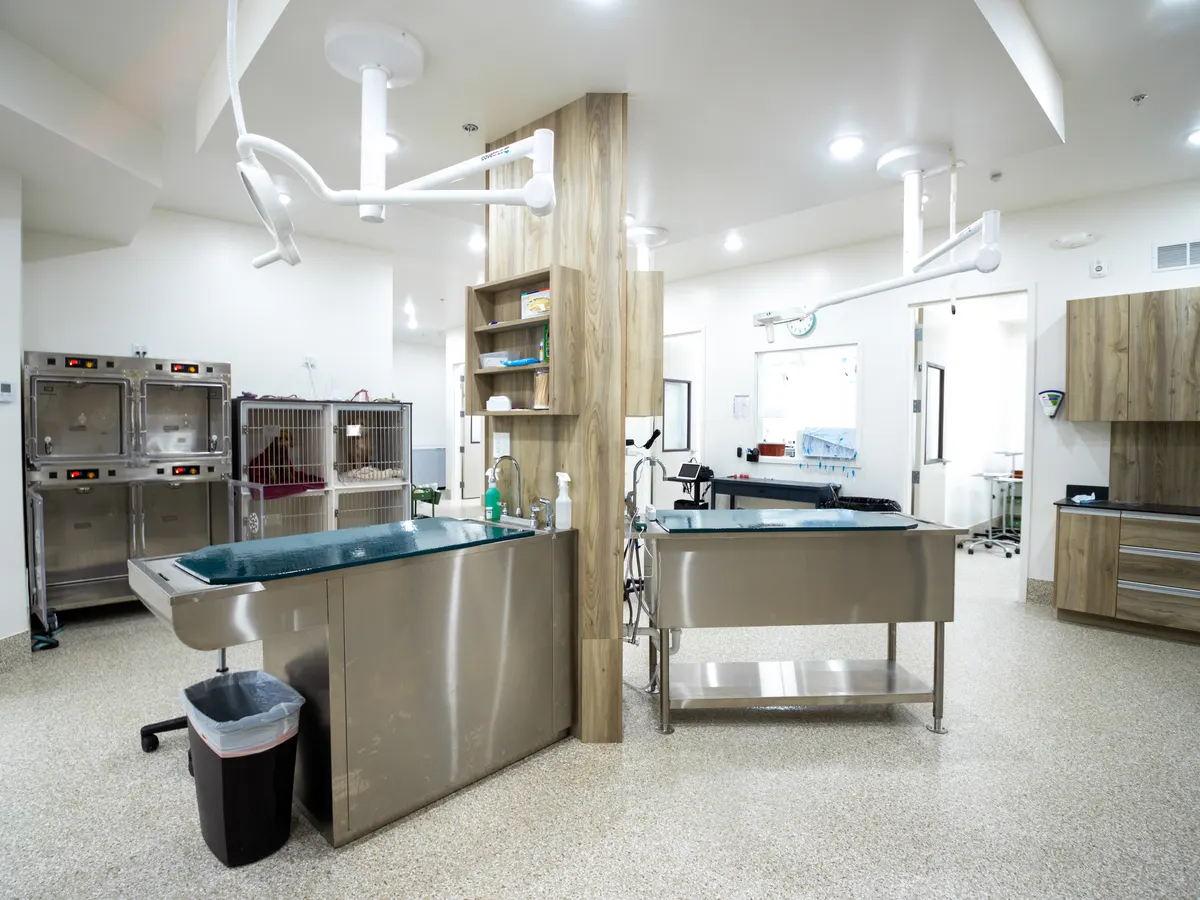
Spaying and neutering are among the most common and beneficial surgeries we perform. At Agave Animal Hospital in St. George, our team treats every routine procedure with the same care and attention we’d want for our own pets — thoughtful planning, monitored anesthesia, and a comfortable recovery for your dog or cat.
A spay (ovariohysterectomy) removes a female pet’s reproductive organs, while a neuter removes a male pet’s testicles. Beyond preventing unplanned litters, these procedures can lower the risk of certain cancers and infections, reduce roaming and marking, and often calm some hormone-driven behaviors. For active Southern Utah pets who hike the red rock trails or share the yard with other animals, fewer urges to roam can mean fewer risky encounters.
The health benefits, in plain English
For female dogs and cats, spaying eliminates the risk of pyometra — a serious uterine infection that most often strikes middle-aged, unspayed females and typically requires emergency surgery. Spaying can also lower the risk of mammary (breast) tumors, especially when performed before the first few heat cycles, and it ends heat cycles themselves, along with the bleeding, vocalizing, and escape attempts that come with them.
For males, neutering removes the risk of testicular cancer and can help prevent prostate problems later in life. It also tends to reduce urine marking, mounting, and the powerful drive to wander in search of a mate — a genuine safety issue for dogs near busy roads.
None of this changes who your pet is. Play drive, affection, and personality stay intact; it’s the hormone-fueled behaviors that tend to fade.
What’s included
- A pre-surgical exam to confirm your pet is healthy and ready for anesthesia
- Pre-anesthetic bloodwork to check organ function and tailor the anesthetic plan
- Individualized, monitored general anesthesia with trained staff tracking vital signs
- Multi-modal pain management before, during, and after surgery
- A clear recovery plan, including an e-collar and at-home care instructions
- A post-operative recheck to confirm proper healing
How we approach anesthesia and surgery
No anesthesia is entirely without risk, but modern monitoring and individualized protocols reduce it — and that’s exactly how we’ve designed our surgical service. Before your pet receives any anesthetic, we run pre-anesthetic bloodwork through our in-house diagnostic laboratory to check liver and kidney function, then build an anesthetic plan around your pet’s age, breed, and results. During the procedure, a trained team member’s job is monitoring — heart rate, blood pressure, oxygen levels, and body temperature — from induction until your pet is awake, warm, and resting comfortably.
Pain management starts before the first incision. We use a multi-modal approach — combining medications that work in different ways — so your pet wakes up comfortable and stays that way at home.
Because your pet is already under anesthesia, it’s also a convenient time to add microchipping: the chip is placed while they sleep, and it remains one of the most reliable ways to get a lost pet back home.
Timing and what to expect
The best age to spay or neuter depends on your pet’s species, breed, and size — there’s no single right answer, especially for large-breed dogs. We’ll discuss the ideal timing during your visit and personalize our recommendation. As a general guide, cats and small-breed dogs are often ready around five to six months of age, while large and giant breeds may benefit from waiting until closer to skeletal maturity, since sex hormones play a role in bone and joint development.
Spays and neuters are same-day procedures — your pet goes home the same day to rest, and we’ll give you clear fasting directions when you schedule. If you’ve just welcomed a new puppy or kitten, we’ll map out the right window during their first-year visits, alongside vaccinations and parasite prevention, so the decision never sneaks up on you.
Caring for your pet at home
Recovery usually takes about 10 to 14 days. We’ll ask you to limit running and jumping, keep the incision clean and dry, and prevent licking. In our desert climate, that also means avoiding dusty trails and midday heat while your pet heals, and watching for foxtails or cheatgrass near the incision.
A few things that make those two weeks easier:
- Keep the e-collar on — a few seconds of licking can undo days of healing
- Leash-only bathroom breaks for dogs, and keep cats indoors until healed
- Skip baths and swimming until we confirm the incision has closed
- Glance at the incision daily; mild redness early on is normal, but spreading swelling, discharge, a gap in the incision, or a pet who won’t eat warrants a call
If something about your pet’s recovery worries you during regular hours, call us — we set aside time for same-day urgent care visits. Outside those hours, contact your nearest veterinary emergency provider.
Every pet is unique, and we’re glad to answer your questions before surgery. To get your dog or cat scheduled — or to see what your first visit will look like as a new patient — request an appointment through our contact page.
Frequently asked questions
What is the difference between spaying and neutering?
Spaying refers to the surgery performed on female pets, which removes the ovaries and uterus. Neutering refers to the surgery performed on male pets, which removes the testicles. Both prevent reproduction and offer health and behavioral benefits, and both are routine procedures we perform on dogs and cats.
At what age should I spay or neuter my dog or cat?
The ideal age depends on your pet's species, breed, and expected adult size — large-breed dogs in particular may benefit from waiting a bit longer. There is no single right answer for every pet, so we'll evaluate your dog or cat and give you a personalized recommendation during your visit.
How long does recovery take after spay or neuter surgery?
Most pets recover within about 10 to 14 days. During that time we recommend limiting activity, keeping the incision clean and dry, and using an e-collar to prevent licking. We'll send you home with detailed instructions and are happy to check the incision at a post-operative recheck.
Will spaying or neutering change my dog or cat's personality?
No — your pet's core personality, playfulness, and affection stay the same. What usually fades are the hormone-driven behaviors: roaming, urine marking, mounting, and some male-to-male aggression. One real change to plan for is metabolism, which often slows after surgery, so we'll help you adjust food portions to keep your pet lean and healthy.
Is anesthesia safe for spay and neuter surgery?
No anesthesia is entirely without risk, but modern monitoring and individualized protocols reduce that risk considerably. Before surgery we examine your pet and run pre-anesthetic bloodwork to check organ function, then tailor the anesthetic plan to their age, breed, and health. Throughout the procedure, a trained team member tracks heart rate, blood pressure, oxygen, and temperature until your pet is awake and stable.
Can my dog or cat eat before spay or neuter surgery?
Your pet will need to fast before anesthesia, because a full stomach raises the risk of vomiting while sedated. We'll give you exact directions when the surgery is scheduled, since timing varies with age and health — very young puppies and kittens often need a shorter fast. In most cases water is fine until you leave for your appointment, but always follow the specific instructions we provide.