Dog & Cat Vaccinations in St. George, UT
We’re not open yet — Agave is expected to open in early 2027. Reach out now and we’ll get you on the new-patient list.
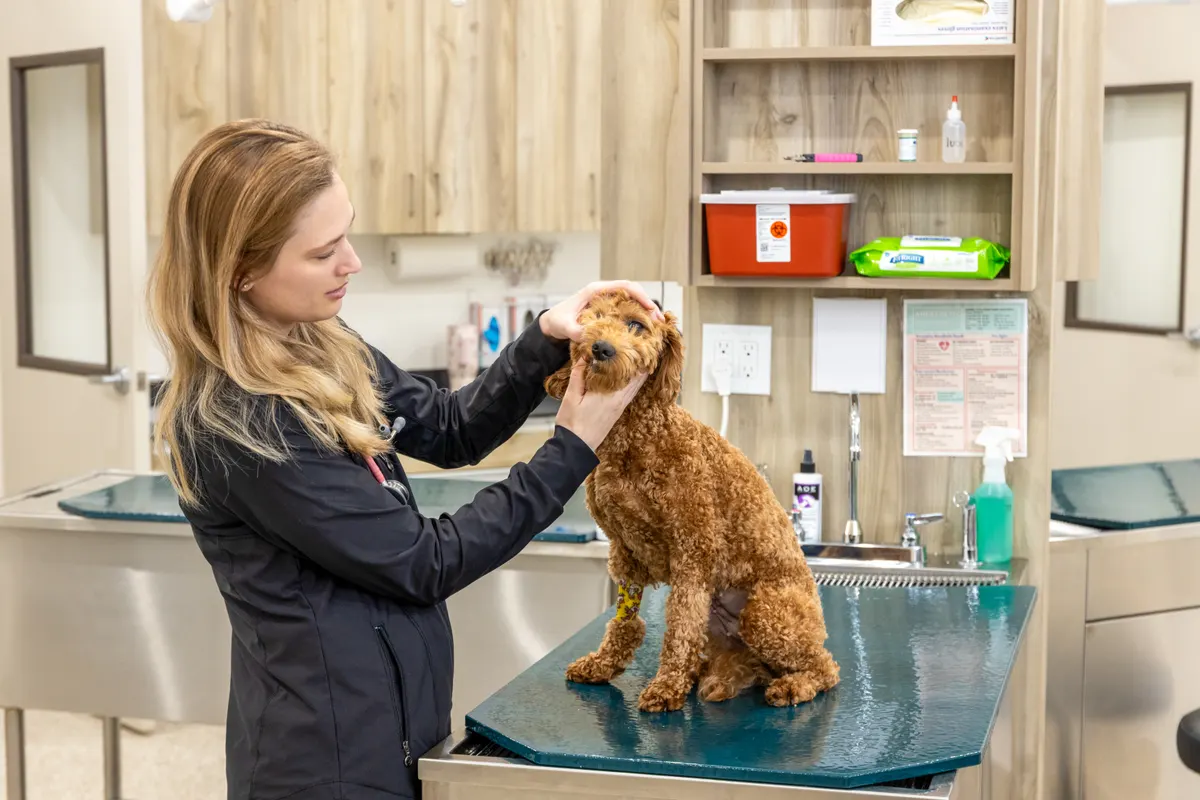
Vaccines are one of the simplest, most effective ways to protect your dog or cat from serious, often preventable diseases. At Agave Animal Hospital in St. George, we build a vaccine plan around your individual pet rather than handing out a one-size-fits-all schedule, so your dog or cat gets exactly the protection they need and nothing they don’t.
Vaccines tailored to your pet and Southern Utah life
The right vaccines depend on your pet’s age, health history, and how they spend their days. A dog hiking the red rock trails or spending time around other dogs faces different risks than a cat who stays indoors. We talk through your pet’s lifestyle and recommend a plan that fits life here in the high desert.
That local context matters. A dog who swims in or drinks from standing water carries a different leptospirosis risk than one who never leaves a landscaped yard, and a cat with outdoor access faces feline leukemia exposure an indoor cat doesn’t. Just moved to St. George with pets? Bring your previous records and we’ll fold them into a schedule that fits — no starting over, no unnecessary repeats.
Core vs. lifestyle vaccines
Veterinarians group vaccines into two categories:
- Core vaccines are recommended for nearly all pets. For dogs this typically includes rabies and the combination distemper/parvovirus vaccine; for cats, rabies and the combination feline distemper (FVRCP) vaccine. Rabies vaccination is also required by Utah law.
- Lifestyle (non-core) vaccines are recommended based on exposure risk and may include Bordetella (“kennel cough”) and canine influenza for dogs who regularly spend time around other dogs, leptospirosis for dogs with outdoor and water exposure, and the feline leukemia (FeLV) vaccine for cats who go outside.
One lifestyle vaccine worth knowing about here is the rattlesnake vaccine. If your dog hikes or trail-runs with you in the warmer months, it deserves a conversation: it’s intended to reduce the severity of a reaction to certain rattlesnake venom, but it doesn’t replace treatment — a bitten dog needs immediate veterinary care, vaccinated or not. We’ll give you an honest read on whether it fits your dog, and our guide to rattlesnakes and dogs in St. George covers avoidance and bite response.
We’ll explain which vaccines we recommend for your pet and why, and we’re always happy to answer your questions.
Puppy and kitten vaccine series
Young pets need the most vaccine attention, because the protection they inherit from their mother fades before their own immune system is fully trained. A typical series starts around six to eight weeks of age and continues with boosters every three to four weeks until about sixteen weeks, with rabies given near the end. Timing matters — stretched or skipped boosters leave gaps at exactly the age when diseases like parvovirus are most dangerous — so we’ll map the full series at your first visit and remind you before each round. Until the series is finished, it’s smart to keep puppies away from high-traffic spots where dogs with unknown vaccine histories gather. Our puppy and kitten first-year checklist walks through the rest of that first year.
What’s included
- A wellness exam by one of our veterinarians before any vaccine is given
- A personalized core and lifestyle vaccine recommendation
- Puppy and kitten vaccine series timed to build strong early immunity
- Booster scheduling and friendly reminders so nothing slips through the cracks
- A clear vaccine record for travel, licensing, and anywhere proof is required
- Time to discuss any concerns about your pet’s health or reaction history
That vaccine record earns its keep locally: licensing your dog in St. George requires proof of a current rabies vaccination, so you’ll leave with documentation you can actually use.
What to expect after the visit
Most pets are themselves again the same day. Mild sleepiness, a tender injection site, or a lighter appetite for a day or so is a normal immune response, not a cause for alarm. Serious reactions are uncommon, but know the signs: facial swelling, hives, repeated vomiting, or trouble breathing in the hours afterward. If you see any of these — especially trouble breathing — seek veterinary care immediately: call us right away during our hours, or your nearest veterinary emergency provider outside them. Same-day urgent care covers milder worries. If your pet has reacted to a vaccine before, tell us up front; we can adjust the plan or split vaccines across visits.
Gentle, low-stress visits
Because every vaccine appointment begins with a hands-on exam, your veterinarian confirms your pet is healthy enough for vaccination and catches anything that needs attention. We keep visits calm and unhurried, working at your pet’s pace — quiet handling, treats, and a minute to sniff and settle go a long way, especially for cats and anxious dogs. Most pets barely notice the injection itself.
One layer of a complete prevention plan
Vaccines guard against infectious disease, but they work best alongside the rest of your pet’s preventive care: a yearly wellness exam to catch changes early, year-round parasite prevention — our mild winters keep fleas and ticks active longer than you’d think — and a registered microchip in case an open gate ever wins. Boosters and prevention run on the same calendar, so it’s easy to keep everything current in a single visit.
Ready to get your dog or cat protected and up to date? Request an appointment through our contact page and our St. George team will help you find a time.
Frequently asked questions
Which vaccines does my pet really need?
Every pet needs core vaccines (rabies plus the combination distemper vaccine for dogs or cats), and rabies is required by Utah law. Beyond that, we recommend lifestyle vaccines such as Bordetella, canine influenza, leptospirosis, or feline leukemia based on your pet's age, health, and how they spend their time. We'll build a plan specific to your dog or cat during the exam.
How often do dogs and cats need vaccine boosters?
It depends on the vaccine and your pet's age. Puppies and kittens receive a series of boosters a few weeks apart to build early immunity, while adult pets are typically due on one- or three-year cycles depending on the vaccine. We'll keep your pet on the right schedule and send reminders so boosters are never missed.
Why does a vaccine visit start with an exam?
A brief wellness exam lets your veterinarian confirm your pet is healthy enough to be vaccinated and gives us a chance to catch other issues early. Pairing vaccines with an exam means each visit does more than just update shots — it's a checkpoint for your pet's overall health.
What side effects can vaccines cause in dogs and cats?
Mild, short-lived effects are the most common: sleepiness, a tender spot at the injection site, or a smaller appetite for a day or so. Serious reactions are rare but need immediate attention — watch for facial swelling, hives, repeated vomiting, or trouble breathing in the hours after a vaccine. If your pet has ever reacted before, tell your veterinarian in advance; the plan can be adjusted or vaccines split across separate visits.
Does my indoor cat still need vaccines?
Yes. Rabies vaccination is required by Utah law even for indoor cats, and exposure isn't impossible indoors — bats occasionally get into homes, and cats slip out open doors more often than owners expect. The FVRCP vaccine also protects against viruses that can hitch a ride inside on shoes and clothing. Feline leukemia (FeLV) vaccination is generally recommended for all kittens; whether an adult cat continues boosters depends on lifestyle — it's typically continued for cats who spend time outdoors.
Is there a rattlesnake vaccine for dogs?
Yes — a rattlesnake vaccine for dogs exists, and it's a reasonable question in Southern Utah, where dogs can encounter rattlesnakes on trails and in washes from spring through fall. It's intended to reduce the severity of a reaction to certain rattlesnake venom, not to prevent one, and a bitten dog still needs immediate veterinary care no matter what. Whether it makes sense depends on your dog's lifestyle, so bring it up at your next exam.