In-House Laboratory for Dogs & Cats in St. George
We’re not open yet — Agave is expected to open in early 2027. Reach out now and we’ll get you on the new-patient list.
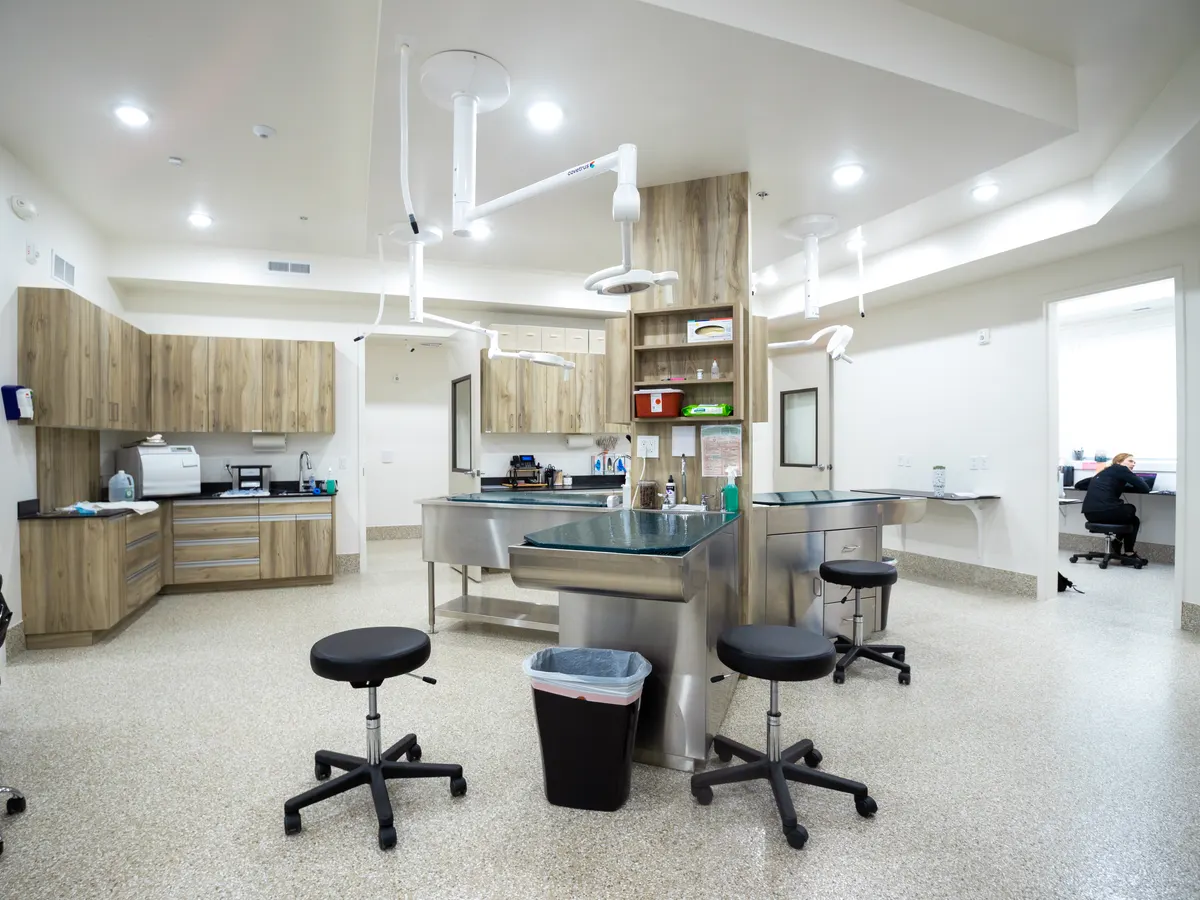
When your dog or cat isn’t acting like themselves, the answers are often in their blood, urine, or other samples. Our in-house laboratory at Agave Animal Hospital lets us run many of those tests right here in St. George — so instead of sending samples out and waiting a day or more for results, we can often review them during the same visit and start a plan while you’re still in the room.
Why on-site testing matters
Time matters most when a pet is sick. A same-visit lab panel can help us tell a routine upset stomach from something that needs urgent attention, confirm whether it’s safe to move ahead with anesthesia, or fine-tune a medication dose before you head home. For Southern Utah pets who spend time outdoors in the desert heat, quick testing also helps us check hydration and organ function after a hard day on the red rock or trail.
On-site results are also what make a same-day sick visit genuinely useful. If your pet needs urgent care during our regular daytime hours, running bloodwork while you wait means the plan can start that day — not after a phone call later in the week.
Signs your pet may need lab work
You don’t need to wait for an obvious problem to ask about testing. Lab work is often the fastest way to explain changes like these:
- Drinking or urinating more than usual
- Unexplained weight loss or a change in appetite
- Vomiting or diarrhea lasting more than a day
- Low energy, hiding, or reluctance to jump and climb
- Pale gums, or a yellow tinge to the eyes or skin
- Straining to urinate, frequent trips, or accidents in a house-trained pet
Dogs and cats instinctively hide illness, so by the time a change is noticeable at home, lab values have often been shifting for a while. Testing turns a vague “something’s off” into a specific answer we can act on.
What our in-house lab may include
- Blood chemistry panels to evaluate kidney, liver, and other organ function
- Complete blood counts (CBC) to screen for infection, inflammation, and anemia
- Urinalysis for urinary issues, crystals, and early kidney concerns
- Pre-anesthetic bloodwork before dental procedures and surgery
- Parasite and fecal testing for intestinal worms and protozoa
- Quick screening tests that may include heartworm, tick-borne illness, and feline retrovirus checks
For specialized or send-out testing — such as certain biopsies, cultures, or advanced panels — we partner with trusted reference laboratories and walk you through results once they return.
What to expect at a lab visit
Most sample collection takes only a few minutes. Blood is drawn from a vein in the leg or neck using a small needle and gentle, low-stress handling designed to keep the visit calm. Urine can often be collected during the appointment, and a fresh stool sample brought from home makes fecal testing simple. If your pet needs to fast for the panel we’re running, we’ll tell you when you book.
For straightforward rechecks — repeating a single value or monitoring a medication level — a quick technician appointment is often all your pet needs, without a full doctor visit. And if you’re getting established with us, our new patients page covers what to bring to a first appointment.
Bloodwork before anesthesia
Before any procedure that requires anesthesia — dental care, a spay or neuter, or other surgery — pre-anesthetic bloodwork checks the organs that process anesthetic drugs. Modern monitoring and individualized protocols reduce anesthetic risk, and those labs are where the individualizing starts. Running them in-house means results are ready when your pet’s procedure is scheduled, not days afterward.
Baseline labs and senior pets
A single lab report tells us where your pet is today; a series of them tells us where they’re heading. Baseline bloodwork during wellness exams teaches us what “normal” looks like for your individual dog or cat, so a subtle drift in a kidney or thyroid value stands out long before symptoms do. For senior pets we generally recommend labs every six to twelve months — kidney disease in older cats and thyroid and liver changes in aging dogs are far easier to manage when caught early.
Diagnostics that work together
Lab results are most powerful alongside a thorough exam and imaging. We often pair bloodwork with digital X-ray or ultrasound to build a complete picture — urinalysis plus imaging when we suspect bladder stones, for example, or a CBC when a hidden grass awn from a spring hike has quietly turned into an infection. Annual heartworm and tick-borne disease screening also works hand-in-hand with year-round parasite prevention.
Our veterinarians believe clear explanations are part of good care. We’ll show you what the numbers mean in plain English and what, if anything, we recommend next.
Have a sick pet or a senior who’s due for baseline labs? Request an appointment through our contact page and our St. George team will follow up.
Frequently asked questions
How quickly will I get my pet's lab results?
Because many tests will run on-site at our St. George hospital, we can often share results during the same visit and discuss next steps before you leave. Specialized tests sent to an outside reference lab take longer, and we'll contact you as soon as those come back.
Does my pet need to fast before bloodwork?
It depends on the tests being run. Some panels are more accurate on an empty stomach, while others don't require fasting. When you request your appointment, let us know the reason for the visit and we'll tell you whether to withhold food beforehand.
Why does my healthy pet need lab tests?
Baseline bloodwork during a wellness visit helps us learn what's normal for your individual pet, so we can spot subtle changes early — often before symptoms appear. This is especially valuable for senior dogs and cats and before any procedure requiring anesthesia.
How is blood drawn from a dog or cat?
A team member gently steadies your pet while a small needle collects blood from a vein in the leg or neck — usually in under a minute. We use low-stress handling and take only the small amount the panel requires. Most pets tolerate the draw well, and a small shaved patch on the leg is often the only sign anything happened.
What's the difference between in-house and reference lab testing?
In-house tests run on analyzers inside our St. George hospital, so results are typically ready within the visit — ideal for sick pets, pre-anesthetic checks, and medication monitoring. Reference laboratories handle specialized work like biopsies, cultures, and less common panels, which takes several days but offers a broader test menu. We'll tell you up front which route your pet's tests will take and when to expect answers.
Do indoor cats really need bloodwork?
Yes. Some of the most common feline conditions — kidney disease, hyperthyroidism, and diabetes — have nothing to do with going outside, and cats are masters at hiding early signs. Routine bloodwork and urinalysis, especially from middle age onward, let us catch a rising kidney value or a thyroid change while it's still easiest to manage. An indoor lifestyle protects cats from many hazards, but not from aging.